History & heritage

Kamboj History and Heritage

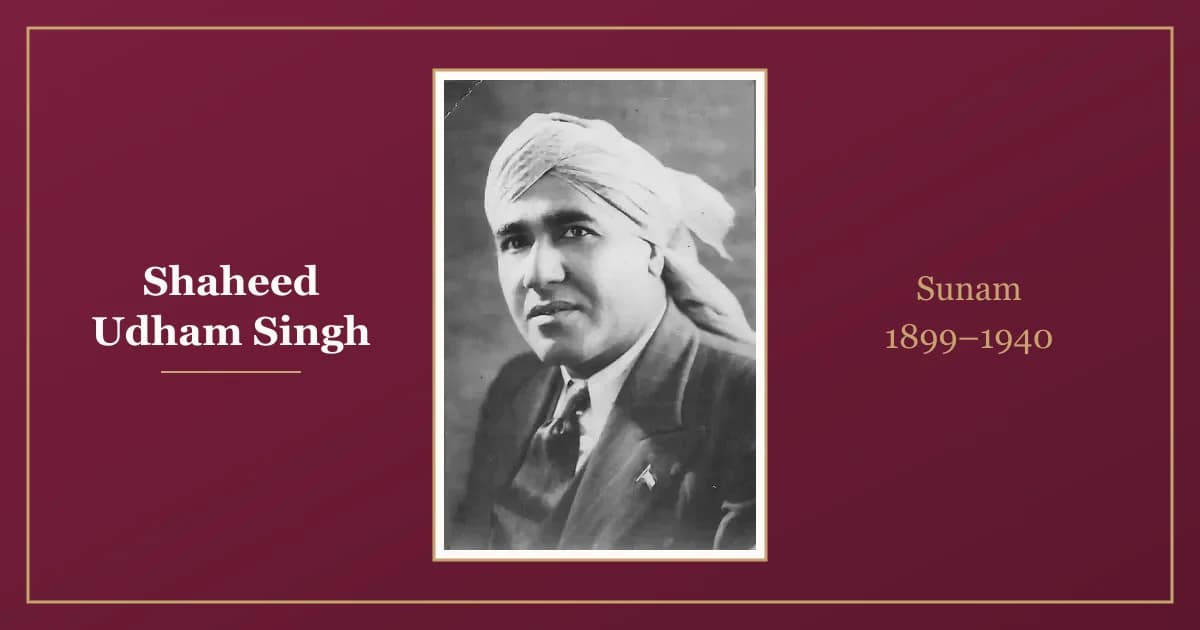
The community’s past, from the sources: who the ancient Kambojas were, what the Vedic, grammatical, Buddhist and Brahmanical texts, the Mahabharata and Ashoka’s edicts say about them, their famous horses, the Kamboja kings of tenth-century Bengal, the Kamboh scholars and officers of Mughal India, Sikh and Udasi figures of the eighteenth century, the Akali leader Master Sunder Singh Lyallpuri, and Udham Singh of Sunam.

The ancient Kambojas were an Iranian-speaking people of the north-western frontier, named in Vedic, epic and Buddhist texts and in two of Ashoka’s edicts, and Kamboja was one of the sixteen great realms. The link to Kamboj, Kamboh and Kambhoj families today rests on the name, the region and tradition, not on a traceable genealogy, and these articles say where the evidence stops.

These articles are written from the sources themselves: the texts in named editions, the inscriptions as their editors published them, and the historians’ own books and papers. Each one lists its sources at the end, and where scholars disagree it names each position and the person who holds it rather than picking the most flattering one.

They run from the earliest mentions of the Kambojas in Vedic, grammatical, epic and Buddhist texts and in Ashoka’s edicts, through a tenth-century dynasty in Bengal that called itself Kamboja and the Kamboh secretaries, historians, Sufis and officers of the Sultanate and Mughal centuries, to the Sikh figures of the eighteenth century, the Udasi saint Baba Bhuman Shah, the Akali leader Master Sunder Singh Lyallpuri and Udham Singh of Sunam. The community’s history belongs equally to its Hindu, Sikh and Muslim families, and it is written that way here.

28 articles

A plain burgundy card with a thin gold border, the words “Kamboj History & Heritage” in cream lettering and “SaathiSutra” in small gold capitals beneath.

The Mathura lion capital and Queen Kambojika

A sandstone lion capital in the British Museum records a Buddhist gift by the chief queen of a Saka ruler of Mathura. One scholar read a word in her name as “the Kamboja woman”. What the stone says, and how sure that reading is.

5 min read
A plain burgundy card with a thin gold border, the words “Kamboj History & Heritage” in cream lettering and “SaathiSutra” in small gold capitals beneath.

Kambojas in early Sri Lankan inscriptions

Two thousand years ago, Buddhist donors in Sri Lanka carved the name Kamboja into cave inscriptions: a village councillor, a “great corporation” of Kambojas and the wife of its chief. What the records say and what they do not.

5 min read
A plain burgundy card with a thin gold border, the words “Kamboj History & Heritage” in cream lettering and “SaathiSutra” in small gold capitals beneath.

The Kamboh in Sultanate and Mughal India

A Sufi poet at Sikandar Lodi’s court, Akbar’s first Sadr, his paymaster-general, a Mufti of Delhi, a Multan munshi and the historian of Shah Jahan: the Kambohs named in the Persian chronicles, and the sources that name them.

6 min read
A plain burgundy card with a thin gold border, the words “Kamboj History & Heritage” in cream lettering and “SaathiSutra” in small gold capitals beneath.

Shaikh Jamali Kamboh, Sufi poet of Delhi

A Delhi Sufi who travelled from Arabia to Herat, sat with Sikandar Lodi, greeted Babur in verse and lies in the Jamali Kamali tomb at Mehrauli. His life, his books and the grave beside his own that nobody can name.

6 min read
A plain burgundy card with a thin gold border, the words “Kamboj History & Heritage” in cream lettering and “SaathiSutra” in small gold capitals beneath.

Nawab Viqar-ul-Mulk of Amroha

A Kamboh of Amroha who began as a ten-rupee teacher, served Sayyid Ahmad Khan and the Nizam of Hyderabad, chaired the Dacca meeting of 1906 and led Aligarh College. His life from the records and the historians.

5 min read
A plain burgundy card with a thin gold border, the words “Kamboj History & Heritage” in cream lettering and “SaathiSutra” in small gold capitals beneath.

Master Sunder Singh Lyallpuri and the Akali

A schoolteacher from a Kamboj family near Amritsar who launched the Akali daily in 1920, sat on the first elected executive of the SGPC and went to jail in the keys affair. His life from the encyclopaedia and the movement’s historians.

7 min read
A plain burgundy card with a thin gold border, the words “Kamboj History & Heritage” in cream lettering and “SaathiSutra” in small gold capitals beneath.

Bhai Mani Singh: scribe, granthi and martyr

The companion of Guru Gobind Singh who kept the Harimandar at Amritsar, is remembered as a scribe and compiler, and was executed at Lahore in the 1730s. Three old sources give him three different castes, one of them Kamboj; this article sets out all three.

7 min read
A plain burgundy card with a thin gold border, the words “Kamboj History & Heritage” in cream lettering and “SaathiSutra” in small gold capitals beneath.

Baba Bhuman Shah, Udasi saint of Dipalpur

An Udasi ascetic of the early eighteenth century, himself a Kamboh, whose dera near Dipalpur fed all comers and whom the Kambohs of Montgomery district took as their patron saint. His story from the Punjab gazetteers, and where his deras stand today.

5 min read
A plain burgundy card with a thin gold border, the words “Kamboj History & Heritage” in cream lettering and “SaathiSutra” in small gold capitals beneath.

Who were the ancient Kambojas?

A Vedic teacher, a word a grammarian noticed, epic kings, a realm in the Buddhist lists and two of Ashoka’s edicts. What each source says, and what links it to Kamboj families today.

7 min read
A plain burgundy card with a thin gold border, the words “Kamboj History & Heritage” in cream lettering and “SaathiSutra” in small gold capitals beneath.

The Kambojas in the Manusmriti

The lawbook of Manu names the Kambojas among frontier peoples it says lost their standing. What the verse says, the epic and Puranic stories around it, and how historians read such lists.

7 min read
A plain burgundy card with a thin gold border, the words “Kamboj History & Heritage” in cream lettering and “SaathiSutra” in small gold capitals beneath.

The Kambojas in the Mahabharata

Horses and blankets at Yudhishthira’s consecration, Karna’s victory at Rajapura, a Kamboja army in the war and two very different attitudes. Every major Kamboja passage, checked in the critical edition.

6 min read