
Abohar and Sri Ganganagar: one canal-belt rishta pool
Three states meet in this corner and the community has never thought in state lines. That has one consequence families keep discovering later than they should.
The SaathiSutra Team
6 min read
Which pool a family is really matching inside: why Abohar and Sri Ganganagar work as one canal-belt corridor, how Terai settler families match along the foothills, when to widen past your own district, and what changes between a farming household and a salaried one.
The Kamboj community matches along corridors, not state lines. Abohar and Sri Ganganagar are one rishta pool with a border through the middle of it, and Terai settler families match east and west along the foothills rather than into the states they live in. Village-level searching runs out of gotra-compatible households faster than families expect, and widening late costs a year.
Families search the way they live, which usually means one district and the villages around it. That works until it stops working, and it stops working quietly: village-level matching runs out of gotra-compatible households faster than anyone expects, and by the time it is obvious a year has gone.
The corridors this community matches along do not follow state boundaries, which is why these articles are organised by pool rather than by state. Abohar and Sri Ganganagar are one rishta pool with a border through the middle. Pilibhit, Lakhimpur Kheri, Rampur and Rudrapur are Punjabi households three generations into Uttar Pradesh and Uttarakhand, matching along the foothills rather than into the states they sit in. The last article here is about a difference that is not geographic at all: a farming household and a salaried one usually agree the match is fine, and what shows up in the first year is a difference in the rhythm of time and money, not in status.
Three states meet in this corner and the community has never thought in state lines. That has one consequence families keep discovering later than they should.

Pilibhit, Lakhimpur Kheri, Rampur, Rudrapur — Punjabi households three generations into Uttar Pradesh and Uttarakhand, whose rishtas run east and west along the foothills rather than into the states they sit in.
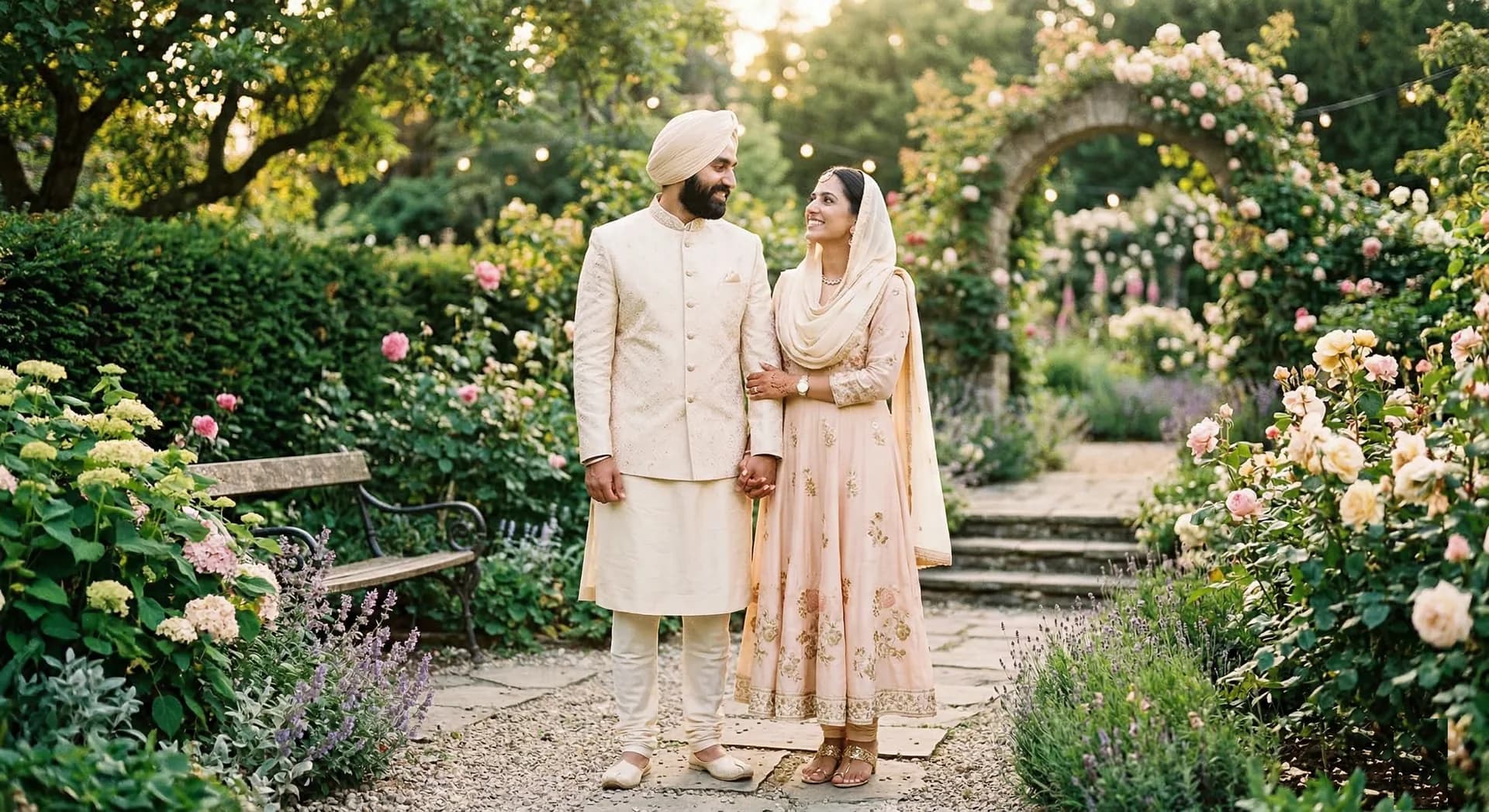
Village-level matching runs out of gotra-compatible families faster than anyone expects. Widening early costs nothing. Widening late costs a year.

Both families say the match is fine, and usually it is. The differences show up in the first year and they are about time and money rhythm, not status.