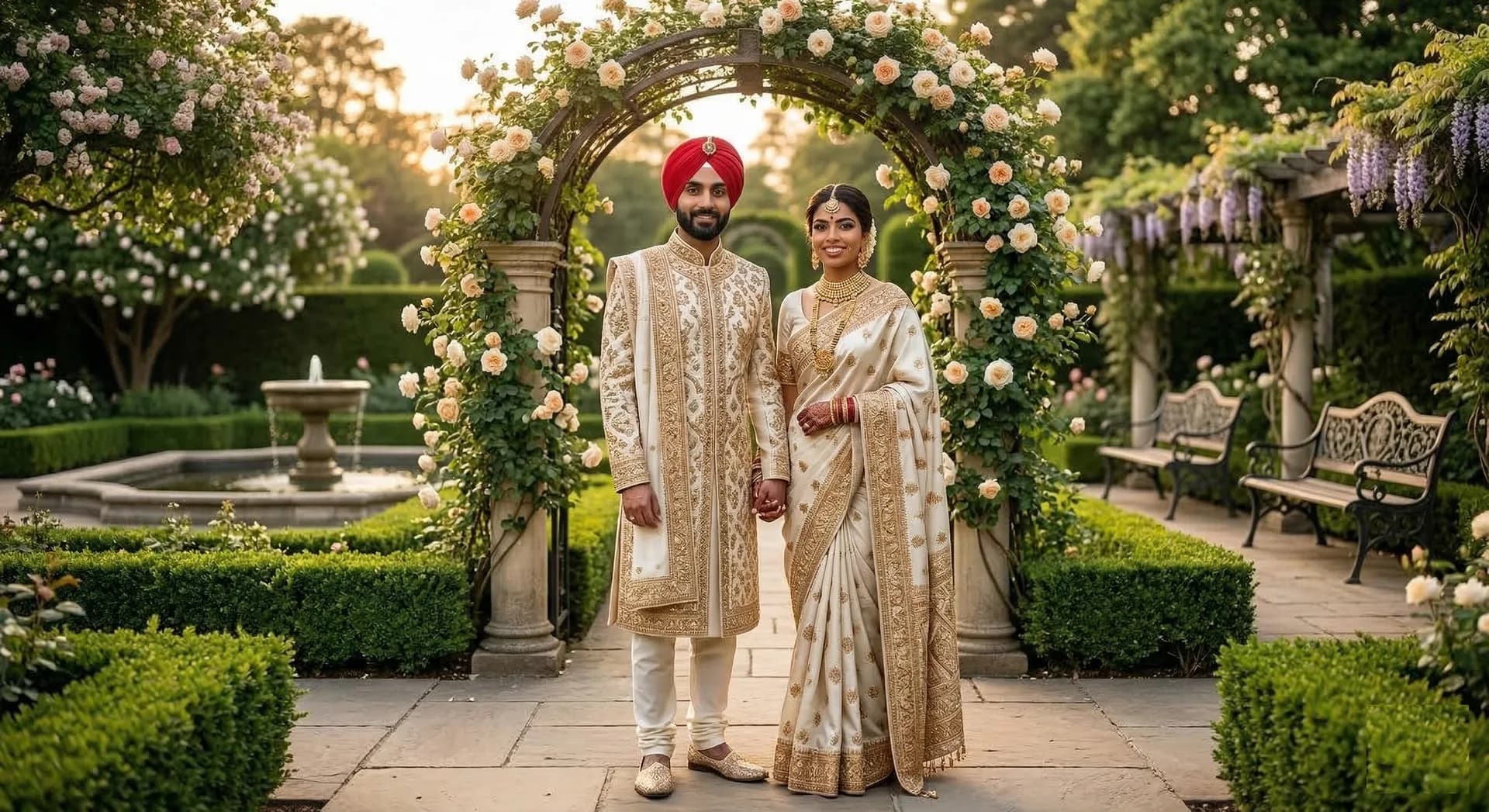
Mother tongue is not a formality on a matrimonial profile
Punjabi, Hindi, Haryanvi, Dogri — across the mixed belts these sit side by side in the same district, and the field gets left on its default far too often.
The SaathiSutra Team
5 min read
Writing the profile: what earns a genuine reply rather than a form response, and why mother tongue is not a formality.
A matrimonial profile is not a résumé. Small, specific details attract the right families and quietly filter out the wrong ones, while a list of qualifications reads like the two hundred others a family scrolls past that evening. Mother tongue is the field most often left on its default, and across the mixed Punjabi and Hindi belts it then filters by accident.
Most matrimonial profiles fail the same way. They are written as a list of qualifications, which is what a résumé is for, and they read identically to every other profile on the page. What earns a genuine reply is specific and slightly ordinary — the district, the household, what the person actually does with a Sunday.
Mother tongue has an article of its own because of where this community lives. Punjabi, Hindi, Haryanvi and Dogri sit side by side in the same districts across the mixed belts, and a field left on its default applies a filter nobody chose. Two articles is thin for a subject this size, and the honest reason is that the third one is filed elsewhere: what not to put in a profile is a safety question before it is a presentation one, so it sits under Safety.
Punjabi, Hindi, Haryanvi, Dogri — across the mixed belts these sit side by side in the same district, and the field gets left on its default far too often.
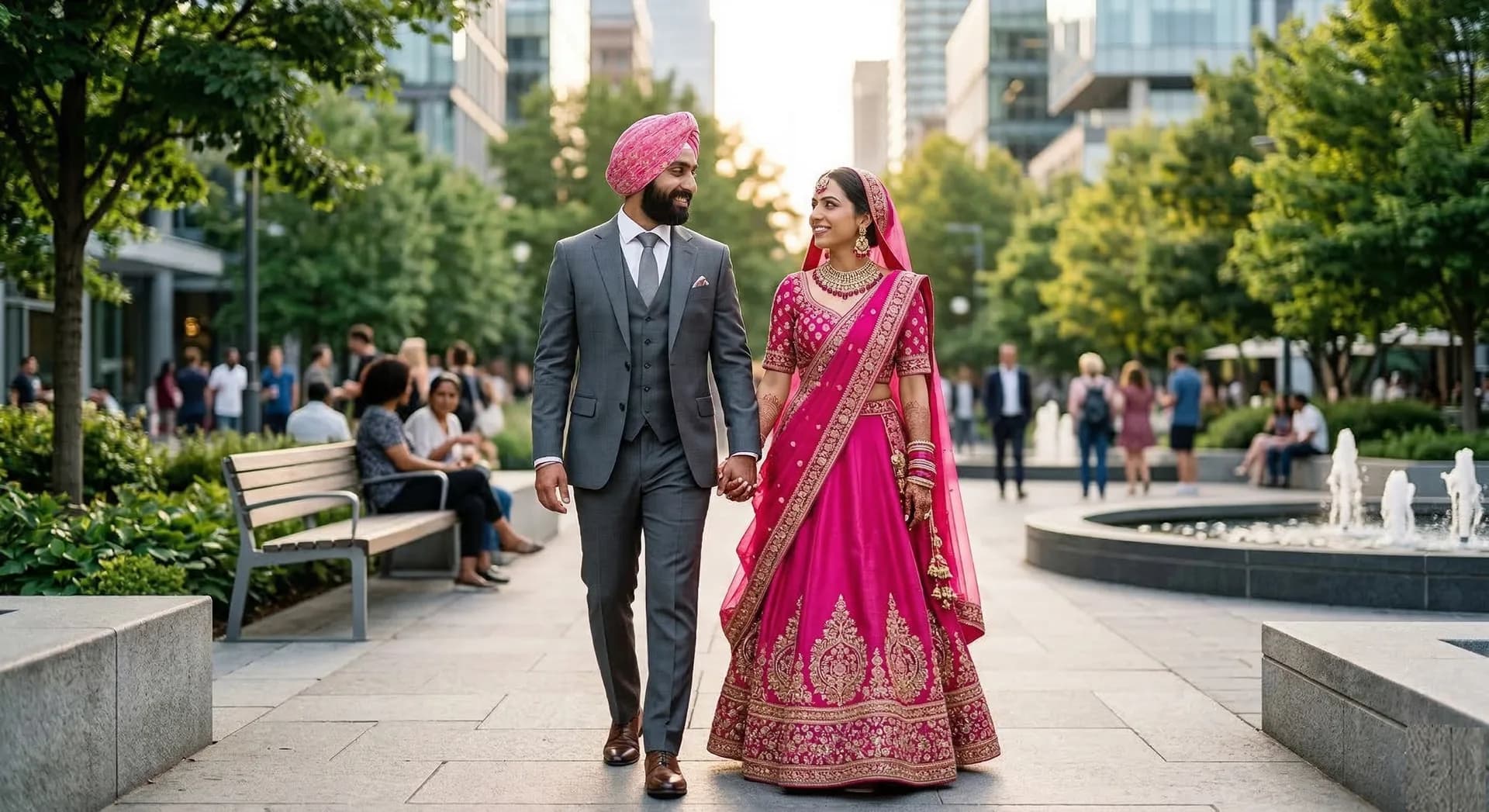
A profile is not a résumé. Small, specific details attract the right families and quietly filter out the wrong ones.