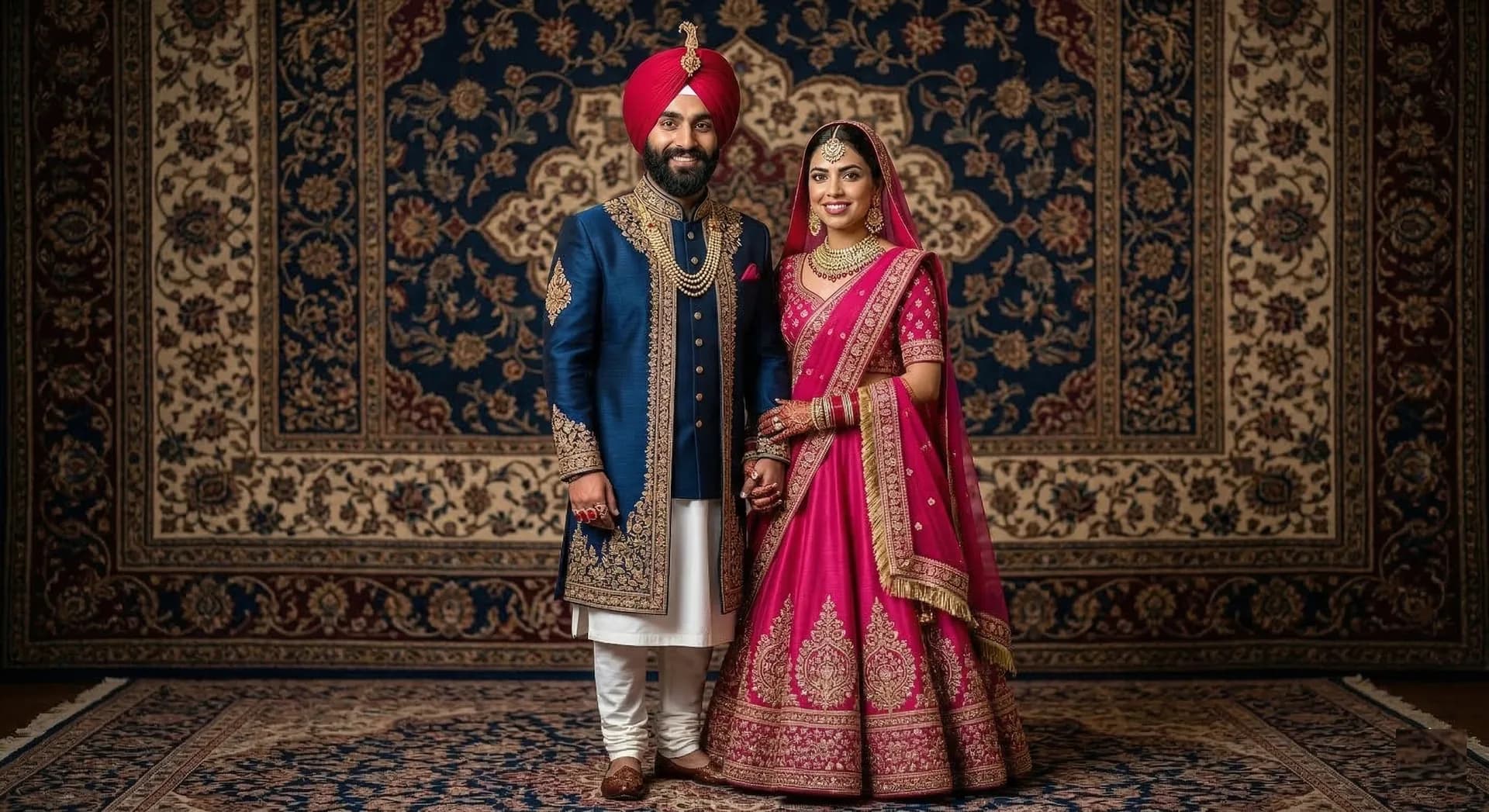
Mother tongue is not a formality on a matrimonial profile
Punjabi, Hindi, Haryanvi, Dogri — across the mixed belts these sit side by side in the same district, and the field gets left on its default far too often.
Of all the fields on a profile, this is the one most often filled in by reflex. It looks like a formality — an administrative detail somewhere between religion and diet. It is not. It is the language the couple will run a home in, speak to elders in, and raise children in, and in several of the districts this site covers it genuinely varies house to house.
Where it is actually mixed
- Hisar and western Haryana — Haryanvi, Hindi and Punjabi households sitting side by side in the same locality. Its district page says the same, and says why it decides more here than elsewhere, for brides or grooms.
- Ambala, on the boundary, where one side of a match may run in Punjabi and the other in Hindi or Haryanvi without either family thinking to mention it.
- Jammu, where households are frequently bilingual, Dogri in one generation and Punjabi in another.
- Haridwar and the Uttarakhand towns, where the settled Punjabi families and the more urban trading families do not sound the same at home.
The settler-family case
The Terai belt is the clearest example of why the location field cannot be used as a proxy. A Kamboj household in Pilibhit or Lakhimpur Kheri is very likely Punjabi-speaking at home, three generations after the resettlement. A family in Punjab reading "Uttar Pradesh" and assuming a Hindi household will misread that profile completely.
The same works in reverse in the canal belt: Sri Ganganagar and Hanumangarh households have kept Punjabi since the Gang Canal area was settled, while families in Jaipur and further south are more mixed. Read the field rather than the state.
The overseas case
For a third-generation family in the UK or Canada the honest answer is often two languages: English outside, Punjabi in the house, with varying fluency between siblings. Say that, rather than picking one.
It matters more than it sounds. A bride moving from Punjab into a British household where the parents speak Punjabi and the man she is marrying mostly does not is a real adjustment, and it is far better discussed than discovered.
How to fill it
Put the language actually spoken at home, not the language of the state you live in and not the one you would prefer to claim. If the household genuinely runs in two, say so in the profile text as well as the field itself — one line is enough: "Punjabi at home, Hindi and English outside."
And read the other side’s answer as information rather than decoration. Two families from neighbouring districts can keep quite different houses, and this field is one of the few places a profile tells you that before the meeting.
Where this comes from
This article carries no external sources. It rests on the SaathiSutra matchmaking team’s own work with families in these districts. Where an article turns on a statute or a government portal we cite it; where the advice comes from experience we say so rather than attaching official-looking links it does not rest on.
Our team answers every message. Reach out and we will sort it out.